

01 / CLARITY
Be clear about materials
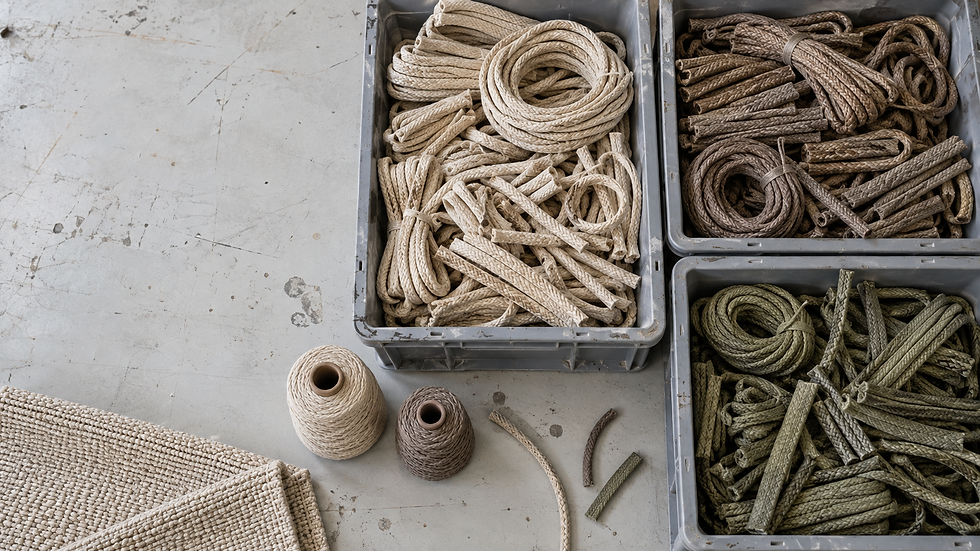
Rima Dain rugs are made with polypropylene, a manufactured fibre. We believe choosing a material also means being clear about its nature and recognising the questions it raises around resources, production and what happens after use.
Environmental claims need to be specific to the product and supported by evidence. A fibre name alone gives only part of the picture. When considering a rug for a project with environmental requirements, include those requirements in your enquiry so the relevant information can be discussed.
Material used across the collection
Polypropylene

02 / CHOOSING
Choose with intention
Begin with the space and how it will be lived in. The right proportion, a colour you enjoy and a pattern that works with the surrounding architecture are all part of a considered purchase. Take time to measure, to look at the furniture arrangement and to understand the rug you are selecting.
We are drawn to designs that can feel at home among changing objects and planting. This is a design intention: to create pieces people will want to continue using and appreciating.
03 / CARE
Look after what you own
Care starts with everyday attention. Remove loose dirt regularly, respond to spills promptly and follow the individual care label before choosing a cleaning method. Use the published guidance to understand which products and techniques are appropriate.
After rain or cleaning, allow the rug and the surface beneath it to dry fully. When storing a rug, clean and dry it first, then roll it and keep it in a dry, ventilated place. These practical habits are part of considered ownership.
Regular attention
Remove loose dirt and respond to spills
Allow for drying
Dry the rug and the surface beneath
Store with care
Clean, dry, roll and keep ventilated
04 / MAKING
Respect the work within the object
Our rugs are designed in Marbella and made by expert craftspeople in India. We value the knowledge involved in translating a design into a woven surface, and the individual character that handwork brings to the finished piece.
An appreciation for that work encourages a closer relationship with the object: noticing its texture, understanding its care and thinking carefully about how it is used.
05 / BEING SPECIFIC
Ask the specific question
Responsibility includes being precise about what is known. If your project requires information about composition, sourcing, environmental documentation or an end-of-use route, tell us exactly what you need to establish. Availability of that information must be confirmed for the particular product.
Our aspiration is to keep learning and to make choices with greater understanding. We see this as an ongoing responsibility, best expressed through clear information and careful decisions.